

Cat treats have become surprisingly complicated.
Chicken-flavored bites.
Crunchy recipes.
Soft centers.
Functional treats.
Products containing long lists of ingredients designed to create the perfect combination of flavor, texture, and shelf stability.
Then there's the opposite approach:
One ingredient.
A piece of chicken breast.
A chicken heart.
Beef liver.
A whole minnow.
For cat owners trying to make thoughtful choices, that simplicity can be incredibly valuable. Not because every treat needs to contain only one ingredient, but because a single-ingredient treat removes much of the mystery between what's printed on the package and what's actually being fed.
With cats, sometimes less really does tell you more.
One Ingredient Leaves Very Little to Decode
Turn over a typical treat package and you may need a few minutes to understand everything inside.
With a single-ingredient treat, the conversation can be considerably shorter.
Ingredients: Chicken Breast.
That's it.
The protein isn't buried inside a recipe.
The flavor doesn't need explaining.
You know what your cat is eating before you ever open the bag.
For pet owners who prioritize transparency, that's one of the biggest advantages of keeping treats simple.
Cats Are Already Focused on Animal Foods
Cats are obligate carnivores, which means their nutritional biology is highly specialized around nutrients supplied by animal tissues.
That makes animal-based treats a natural fit.
Single-ingredient options can include different parts of the animal, such as:
- Muscle meat
- Heart
- Liver
- Whole fish
Each creates a different nutritional and sensory experience while keeping the ingredient itself recognizable.
The treat doesn't need to imitate animal protein.
It is animal protein.
Why Cats Need Animal Protein: Obligate Carnivore Diet Explained – Raw Paws Pet Food
Simple Doesn't Mean Every Treat Is the Same
One ingredient may sound limiting until you consider how much variety exists within animal foods.
Compare four treats:
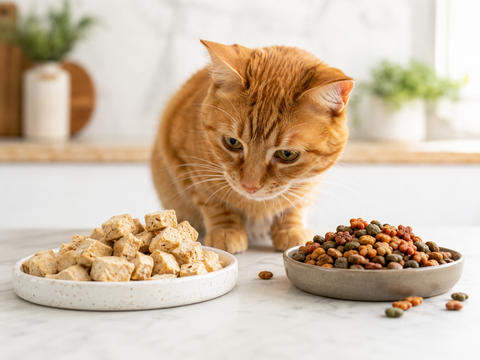
Chicken Breast: Lean muscle meat with a light, crisp texture when freeze-dried.
Chicken Hearts: A muscular organ with its own distinctive texture and nutritional profile.
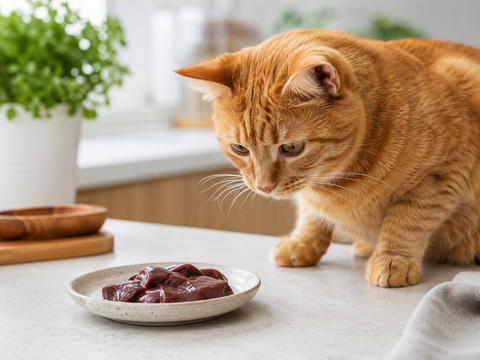
Beef Liver: An organ meat with a rich aroma and naturally concentrated nutrients.
Whole Minnows: An entire small fish containing muscle, skin, soft bone, and naturally occurring marine nutrients.
Every one can be a single-ingredient treat.
Yet the experiences are completely different.
Simplicity doesn't eliminate variety.
It makes variety easier to understand.
You Know Exactly Which Protein You're Offering
Single-ingredient treats make protein selection remarkably straightforward.
If you're giving your cat freeze-dried chicken breast, you know the protein is chicken.
If you're offering beef liver, you know it's beef.
That clarity can be useful for owners who intentionally rotate proteins or simply want to keep track of the animal ingredients their cats receive.
Instead of deciphering a multi-protein recipe, you can identify the source immediately.
Freeze-Drying Works Especially Well With Simple Ingredients
Freeze-drying complements the single-ingredient philosophy because the process focuses on preservation rather than building a treat from a recipe.
The original food is frozen, and moisture is removed under controlled conditions.
What's left is lightweight and shelf-stable while still retaining many recognizable characteristics of the original ingredient.
A chicken heart still looks like animal tissue.
A minnow is still unmistakably a fish.
That visual connection makes the product unusually transparent.
Aroma Doesn't Need to Come From a Flavor Recipe
Cats make many food decisions with their noses.
A highly aromatic animal ingredient can capture attention before your cat ever takes a bite.
Beef liver naturally smells different from chicken breast.
Whole fish brings an entirely different aroma.
Those differences create variety without requiring an elaborate flavor system.
For many cats, the original food already provides plenty of motivation.
Single-Ingredient Treats Make Rotation Easy
Your cat doesn't necessarily need the same reward every day.
Rotating among different animal ingredients can create new aromas, textures, and experiences while keeping the treat routine simple.
For example:
Monday: Chicken Breast
Wednesday: Chicken Hearts
Friday: Beef Liver
Weekend Enrichment: Whole Minnows
The goal isn't following a rigid schedule.
It's recognizing that variety can come from changing the whole-food ingredient rather than constantly searching for new formulations.
They Work Beyond the Treat Bowl
Single-ingredient cat treats can serve several roles throughout the day.
Break them into small pieces for:
Positive reinforcement
- Carrier training
- Interactive play
- Food puzzles
- Hunting games
- Everyday rewards
Or crumble freeze-dried pieces over meals to introduce a different aroma and texture.
One simple product can become several different experiences depending on how it's offered.
Portion Size Still Matters
Simple ingredients can be nutrient dense.
That doesn't mean unlimited portions are necessary.
Treats should remain complementary to a cat's complete and balanced primary diet.
This is especially worth remembering with ingredients like organ meats, which naturally contain concentrated nutrients.
A small piece can still be an excellent reward.
More isn't automatically better.
"Single Ingredient" Doesn't Mean "Complete Diet"
This distinction is essential.
A single-ingredient treat can provide valuable animal protein and naturally occurring nutrients.
But one ingredient generally cannot provide every nutrient a cat requires in the appropriate proportions for long-term feeding.
Chicken breast alone isn't a complete feline diet.
Neither is beef liver.
Treats and complete meals have different jobs.
The meal provides the nutritional foundation.
The treat provides a reward, enrichment opportunity, or complementary whole-food experience.
Simpler Makes It Easier to Know What You're Feeding
A good cat treat doesn't need twenty ingredients to create a rewarding experience.
Sometimes one thoughtfully chosen animal ingredient is enough.
Single-ingredient treats give pet owners clarity.
They give cats natural differences in aroma and texture.
And they make it remarkably easy to introduce variety without introducing unnecessary complexity.
The value of simplicity isn't that fewer ingredients automatically make every product better.
It's that fewer ingredients leave fewer questions unanswered.
And when you're choosing what goes into your cat's body, knowing exactly what's in your hand is a pretty powerful place to start.
Comments (0)
There are no comments for this article. Be the first one to leave a message!