

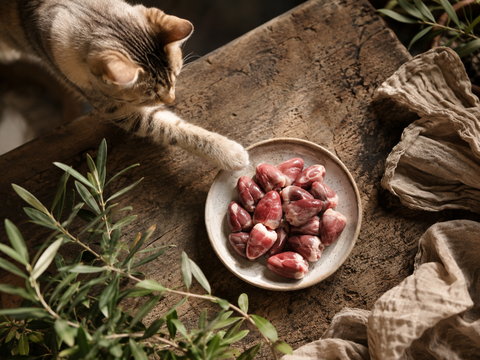
Beef liver is one of those foods that can make a cat appear out of nowhere.
Open the package.
Suddenly they're beside you.
That reaction makes sense. Liver has a rich aroma, animal-based protein, and a nutritional profile very different from ordinary muscle meat.
So, can cats eat beef liver?
Yes, beef liver can be an appropriate food or treat for cats when it's incorporated in suitable amounts as part of an overall balanced diet.
The important part of that answer is suitable amounts.
Liver is exceptionally nutrient dense. That's exactly what makes it valuable—and exactly why it shouldn't be treated like an unlimited snack.
With liver, a little can accomplish a lot.
Liver Isn't Just Another Cut of Beef
Think about the difference between beef liver and a steak.
Both come from the same animal
Nutritionally, however, they're very different foods.
Steak is primarily muscle tissue.
Liver is an organ responsible for numerous biological functions within the animal. Its specialized role gives it a naturally concentrated nutritional profile.
That's why whole-animal feeding doesn't treat muscle meat and organs as interchangeable.
Each has a different job in the diet.
What Does Beef Liver Provide for Cats?
Beef liver naturally provides animal protein alongside a concentrated collection of micronutrients.
It is particularly known for nutrients such as:
- Vitamin A
- B vitamins
- Iron
- Copper
- Other trace minerals
These nutrients contribute to numerous normal functions throughout the body.
Rather than being isolated and added individually, they naturally occur together within the structure of the liver itself.
That's one reason organ meats are considered some of the most nutrient-dense animal foods available.
Why Organ Meat Is One of Nature's Most Nutrient-Dense Foods – Raw Paws Pet Food
Why Liver Makes Sense for an Obligate Carnivore
Cats are obligate carnivores.
Their nutritional biology developed around consuming animal tissues—not simply one particular cut of meat.
Natural prey provides multiple components:
Muscle.
Organs.
Fat.
Bone.
Connective tissue.
Liver fits into that broader whole-animal picture by contributing nutrients that aren't present in identical concentrations in muscle meat.
That doesn't mean cats should eat enormous amounts of liver.
It means organ tissue has a distinct nutritional role within an appropriately balanced carnivorous diet.
How Much Beef Liver Can a Cat Have?
This is where moderation becomes important.
Because liver contains concentrated amounts of certain nutrients—particularly vitamin A and copper—it shouldn't make up an excessive portion of a cat's diet.
If you're feeding a complete and balanced cat food that already contains liver, the formulation should account for the appropriate nutrient contribution within the overall recipe.
If you're offering beef liver separately as a treat, think:
Small pieces, not meals.
Treat portions should remain modest and fit within your cat's total daily food intake.
Your cat doesn't need a large piece to enjoy the aroma, flavor, and experience.
More Liver Isn't More Nutrition
This is an important concept with nutrient-dense foods.
If a little provides valuable nutrition, it can be tempting to assume more must provide even greater benefits.
Nutrition doesn't work that way.
Many nutrients need to exist within appropriate ranges and relationships.
Because liver is naturally concentrated, feeding excessive amounts over time can create nutritional imbalance.
The goal isn't maximizing liver intake.
It's allowing liver to contribute its strengths within a balanced diet.
Beef Liver as a Treat Is Different From Beef Liver in a Meal
The purpose matters.
In a properly formulated raw diet, liver may be included in controlled proportions alongside:
- Muscle meat
- Other organs
- Bone
- Fat
- Other ingredients needed for nutritional balance
When freeze-dried beef liver is offered as a treat, however, it should be treated as an extra rather than the nutritional foundation of the diet.
The complete meal and the treat have different responsibilities.
That's true even when both contain excellent whole-food ingredients.
Why Freeze-Dried Beef Liver Works So Well for Cats
Fresh liver isn't always the most convenient thing to keep around for occasional rewards.
Freeze-drying changes that.
The process removes moisture while creating a lightweight, shelf-stable treat that retains the distinctive characteristics of the original animal ingredient.
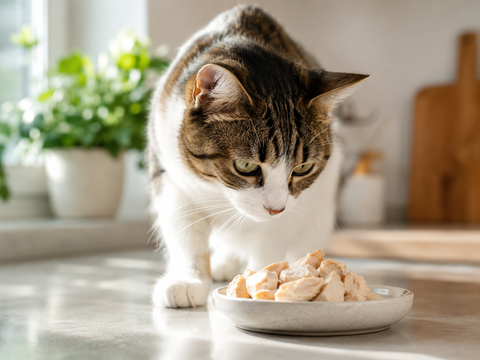
At Raw Paws Pet Food, Freeze-Dried Beef Liver provides cats with a single-ingredient reward that's easy to portion and simple to understand.
You can break pieces into smaller bites for:
- Everyday treating
- Positive reinforcement
- Food puzzles
- Interactive play
- Enrichment
A small piece can provide plenty of motivation.
Cats Often Love Liver Before They Even Taste It
With cats, the nose frequently makes the first decision.
Beef liver has a naturally distinctive aroma that can make it especially appealing.
That's useful for more than ordinary treating.
A small amount of crumbled freeze-dried liver can introduce a new aroma to a familiar meal, while tiny pieces can provide motivation during enrichment activities.
The ingredient doesn't need an elaborate flavor coating.
Liver already announces itself.
Liver Can Add Variety Without Replacing Other Proteins
A thoughtful feline diet doesn't have to revolve around one animal tissue.
Muscle meat contributes one nutritional profile.
Heart provides another.
Fish introduces marine-based nutrients.
Liver brings concentrated micronutrients.
That diversity is part of what makes whole-animal nutrition so interesting.
Rather than asking which one is "best," think about how different animal foods complement one another.
What About Kittens or Cats With Health Concerns?
Individual nutritional needs can vary.
Kittens require complete nutrition specifically formulated for growth, while cats with medical conditions may have dietary restrictions that affect whether certain treats are appropriate.
If your cat has a diagnosed health condition, is eating a therapeutic diet, or has been given specific nutritional restrictions, check with your veterinarian before adding new foods or treats.
A nutritious ingredient isn't automatically appropriate for every individual cat.
The Right Way to Think About Beef Liver
Beef liver deserves its reputation as a nutritional powerhouse.
But that reputation needs context.
It's valuable precisely because it's concentrated.
Cats don't need enormous servings to experience what liver has to offer.
When incorporated appropriately into a complete diet—or offered in small amounts as a treat—beef liver provides a distinctly different animal-based food from ordinary muscle meat.
That's the lesson organ meats teach particularly well:
Nutritional value isn't always about how much food you feed.
Sometimes it's about how much nutrition nature packed into a very small piece.
Comments (0)
There are no comments for this article. Be the first one to leave a message!