

Cats have been eating raw food far longer than pet food has existed.
That doesn't mean feeding a modern house cat is as simple as putting raw meat in a bowl.
There's an important difference between raw food and a nutritionally complete raw diet.
A piece of raw chicken is raw food.
A properly formulated raw cat food is designed to provide animal protein, fat, essential amino acids, vitamins, minerals, and other nutrients in the appropriate proportions.
Understanding that distinction is the best place for a beginner to start.
So, can cats eat raw food?
Yes. Cats can be fed properly formulated raw diets, but nutritional balance, safe handling, appropriate storage, and your individual cat's needs all matter.
Raw feeding isn't about putting more meat in the bowl.
It's about understanding the animal you're feeding.
Start With the Cat, Not the Diet Trend
Cats are obligate carnivores.
That phrase describes a biological specialization.
Cats depend on nutrients naturally associated with animal tissues and have nutritional requirements that differ from humans—and even from dogs.
Animal-based foods provide nutrients such as:
- High-quality protein
- Essential amino acids
- Animal fats
- Vitamins
- Minerals
One particularly important example is taurine, which cats must receive in adequate amounts through their diet.
This carnivorous biology is one reason raw feeding has become appealing to cat owners interested in animal-focused, minimally processed nutrition.
Why Cats Need Animal Protein: Obligate Carnivore Diet Explained – Raw Paws Pet Food
Raw Feeding Is More Than Raw Muscle Meat
This is probably the most important lesson for someone new to raw feeding.
Meat alone isn't a balanced cat diet.
Chicken breast may provide excellent animal protein, but a bowl of chicken breast doesn't automatically provide everything a cat needs.
A balanced raw formulation may incorporate different animal components such as:
- Muscle meat
- Organs
- Bone or another appropriate mineral source
- Animal fat
Each contributes something different.
Muscle meat supplies one nutrient profile.
Liver and other organs contribute concentrated micronutrients. Bone contributes minerals such as calcium and phosphorus when appropriately incorporated into a formulated diet.
The value comes from the relationship between the ingredients—not simply from the fact that they're raw.
Complete and Balanced Still Matters
Raw feeding doesn't remove the need for nutritional standards.
A cat still requires complete nutrition.
When choosing a commercial raw cat food, look for whether the product is labeled complete and balanced for your cat's appropriate life stage rather than assuming every raw product can be used as a primary diet.
This distinction is particularly important because many products in the raw-feeding world serve different purposes.
A complete frozen raw recipe can be formulated as a meal.
Freeze-dried beef liver may be sold as a treat.
A chicken neck may serve another purpose entirely.
All can be animal-based foods.
They are not nutritionally interchangeable.
Moisture Is One of Raw Food's Most Interesting
Characteristics Fresh animal tissues naturally contain substantial amounts of water.
Frozen raw food retains much of that moisture because it hasn't been intentionally removed to create a dry, shelf-stable product.
For cats, that's particularly interesting.
Their evolutionary feeding pattern centered around moisture-rich animal prey, meaning food naturally contributed to fluid intake.
Fresh drinking water should always remain available, but moisture-rich meals provide another source of water within the daily feeding routine.
Why Moisture Matters in a Cat's Diet – Raw Paws Pet Food
What Does Raw Cat Food Look Like?
There's no requirement that raw feeding involve handing your cat an entire piece of prey.
Commercial raw foods can make the process considerably more approachable.
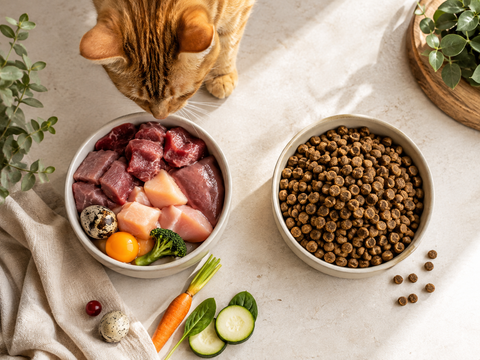
Balanced frozen raw recipes may combine ingredients into convenient portions that can be stored frozen, thawed in the refrigerator, and served according to feeding directions.
This gives pet owners the whole-food characteristics they're looking for without requiring them to formulate every nutrient from scratch.
For beginners, a properly formulated commercial raw food can remove much of the complexity from getting started.
Raw Food Requires Raw-Food Handling
One thing shouldn't be minimized:
Raw animal products require careful handling.
The same basic food-safety habits you use when handling raw meat for your household should carry over to your cat's food.
That means:
- Wash your hands after handling raw food.
- Clean bowls and preparation surfaces thoroughly.
- Keep frozen food properly frozen until needed.
- Thaw food under refrigeration.
- Avoid leaving raw food sitting at room temperature for extended periods.
- Prevent cross-contamination with human foods and preparation areas.
Raw feeding works best when safe handling becomes an ordinary part of the routine rather than an afterthought.
The Freezer Becomes Part of Your Feeding System
Frozen raw feeding requires a little more planning than scooping dry food from a bag. You'll need freezer storage.
You'll need to think ahead about thawing.
You'll need to know what your cat will eat within an appropriate timeframe after thawing.
Fortunately, these habits quickly become routine.
Many raw feeders simply move the next portion from the freezer to the refrigerator ahead of mealtime.
Once the rhythm develops, raw feeding can feel much less complicated than it initially sounds.
Transitioning a Cat Can Require Patience
Cats are famous for having opinions about food.
A dog may enthusiastically investigate a completely new meal.
A cat may stare at you as though you've personally betrayed them.
That's normal.
Cats accustomed to one aroma, texture, and food format may need time to recognize something new as food.
Rather than forcing an immediate change, many owners introduce new foods gradually alongside familiar feeding routines.
Texture can matter just as much as flavor.
Temperature can matter.
Aroma can matter.
For selective cats, successful transition is often about patience rather than persuasion.
Treats Can Be an Easy Introduction to Whole Foods
If you're curious about animal-based whole foods but aren't ready to change your cat's primary diet, treats provide a much smaller first step.
Single-ingredient freeze-dried options such as:
allow cats to experience recognizable animal ingredients without changing the complete meal.
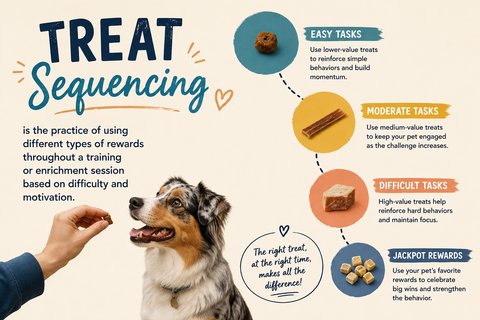
At Raw Paws Pet Food, these treats can also be incorporated into training, food puzzles, and enrichment activities.
They're not replacements for complete cat food. They're simply an approachable way to introduce different animal proteins and tissues.
Raw and Freeze-Dried Aren't Exactly the Same Thing
These categories are sometimes grouped together, but there's an important difference.
Frozen raw food retains its natural moisture and requires frozen storage. Freeze-dried food has had most of its moisture removed, creating a lightweight, shelf-stable product.
Freeze-dried treats can fit beautifully into a raw lifestyle, but a freeze-dried treat isn't automatically a complete raw meal.
Always look at how the specific product is labeled and intended to be fed.
Is Raw Food Right for Every Cat?
Not necessarily.
Individual cats have individual circumstances.
Age, health status, medications, household considerations, and existing dietary needs can all influence whether raw feeding is appropriate.
Cats with medical conditions or prescribed therapeutic diets should be discussed with a veterinarian before making significant dietary changes.
Households with people at higher risk from foodborne pathogens should also discuss raw-food handling considerations with their healthcare and veterinary professionals.
Choosing a feeding philosophy should never mean ignoring the individual animal—or household—using it.
A Better First Question for New Raw Feeders
Instead of beginning with:
"What raw meat should I buy?"
Start with:
"How will I provide complete and balanced nutrition safely?"
That question leads you toward the things that actually matter.
Appropriate formulation.
Animal-based ingredients.
Nutritional balance.
Moisture.
Storage.
Safe handling.
A gradual transition.
Your cat's individual response.
Raw feeding isn't defined simply by the absence of cooking.
It's a complete approach to how food is selected, balanced, preserved, handled, and served.
Raw Feeding Begins With Understanding Your Cat
Cats may live indoors now.
Their meals arrive in bowls. Their hunting may involve a feather wand instead of actual prey.
But their nutritional biology remains distinctly feline.
At Raw Paws Pet Food, our whole-food philosophy begins with that understanding: cats depend heavily on animal-based nutrition, and feeding choices should respect both their biological needs and modern food-safety responsibilities.
For some households, a properly formulated frozen raw diet can become the nutritional foundation.
For others, introducing whole-food treats may be the first step.
There's no prize for transitioning fastest.
The goal is much simpler:
Know what you're feeding.
Know why you're feeding it.
And make sure the entire diet—not just the word raw—meets your cat's needs.
Comments (0)
There are no comments for this article. Be the first one to leave a message!