

A dog eating peanut butter off a spoon and a dog working through a stuffed hoof are technically eating the same kind of reward.
But behaviorally, they’re completely different experiences.
The hoof changes everything.
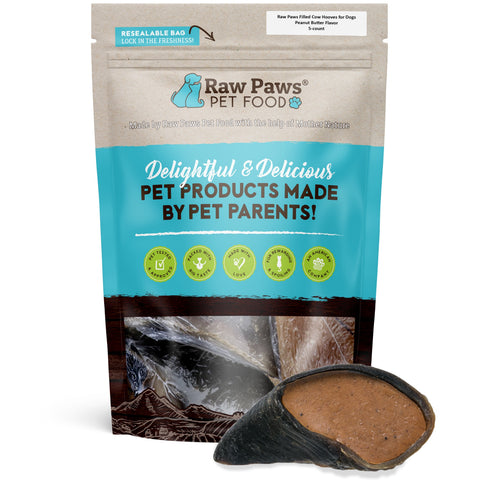
It slows dogs down. Forces repositioning. Encourages licking instead of instant swallowing. Creates angles, depth, and hidden pockets of scent that dogs keep returning to over and over again.
Instead of becoming a quick snack, bacon & cheese stuffed hooves turn eating into interaction.
And honestly, that’s why dogs stay so obsessed with them.
The Structure Naturally Slows Dogs Down
Most treats are easy to access.
Stuffed hooves are intentionally more difficult.
Because the filling sits inside the hollow center, dogs have to:
- Work deeper into the hoof
- Rotate it constantly
- Explore different openings and edges
- Return repeatedly to reach remaining filling
That slower process changes the entire pace of the experience. Instead of rushing through the reward, dogs settle into it.
Why Bacon & Cheese Creates Such Strong Engagement
Dogs experience food through scent first.
And bacon and cheese create an aroma profile that dogs can detect immediately—even before they fully access the filling inside the hoof.
That matters because the scent keeps motivating the interaction:
- Dogs smell the filling deeper inside
- They continue investigating
- They keep licking and repositioning the hoof
The reward stays partially hidden, which keeps curiosity active much longer than exposed treats that deliver everything instantly.
The Hoof Creates Layers of Interaction
Without the hoof, the filling would disappear quickly.
The structure itself creates:
- Depth
- Resistance
- Texture contrast
- Slower reward release
Dogs move back and forth between:
- Licking smooth filling
- Scraping along edges
- Chewing firmer outer sections
- Revisiting scent pockets inside the hoof
That layered interaction is what transforms the treat from simple flavor into enrichment.
Why Dogs Stay Mentally Engaged
Dogs naturally stay focused longer on activities that continue changing while they interact with them.
Stuffed hooves constantly evolve:
- Filling gets pushed into corners
- Some sections become easier to reach
- Others stay hidden deeper inside
That ongoing change prevents the experience from becoming repetitive too quickly.
Instead of solving the treat immediately, dogs keep discovering new parts of it throughout the session.
A Different Kind of Chewing Rhythm
Hard chews often create force-heavy chewing.
Stuffed hooves create a much more varied rhythm.
Dogs typically:
- Pause frequently
- Alternate between licking and chewing
- Use their paws to stabilize the hoof
- Explore multiple angles repeatedly
That variation creates a more immersive and instinctive feeding experience overall.
The Shape Is Doing More Work Than People Realize
A hollow hoof naturally changes:
- How dogs hold the chew
- How they access the reward
- How quickly they consume it
The shape forces interaction.
Dogs can’t simply bite once and finish everything immediately. The structure slows the reward down in a way that feels engaging instead of frustrating.
And because the hoof continues holding scent long after the filling is mostly gone, many dogs continue revisiting it repeatedly.
Why Stuffed Hooves Feel More Rewarding
Quick treats create quick satisfaction.
Stuffed hooves create progression.
Dogs experience:
- Initial scent attraction
- Gradual reward access
- Ongoing exploration
- Repeated discovery throughout the session
That progression keeps dogs mentally connected to the chew much longer than treats designed around instant gratification.
What Makes Bacon & Cheese Stuffed Hooves Different
The real appeal isn’t just the bacon. Or the cheese. Or even the hoof itself.
It’s the way all three work together.
The scent draws dogs in.
The hoof slows everything down.
The hidden filling keeps them investigating.
Instead of creating a quick reward, the hoof transforms eating into a layered experience built around curiosity, persistence, and interaction.
And for many dogs, that process is every bit as rewarding as the treat itself.

Comments (0)
There are no comments for this article. Be the first one to leave a message!